Digging gate post holes in Austin limestone
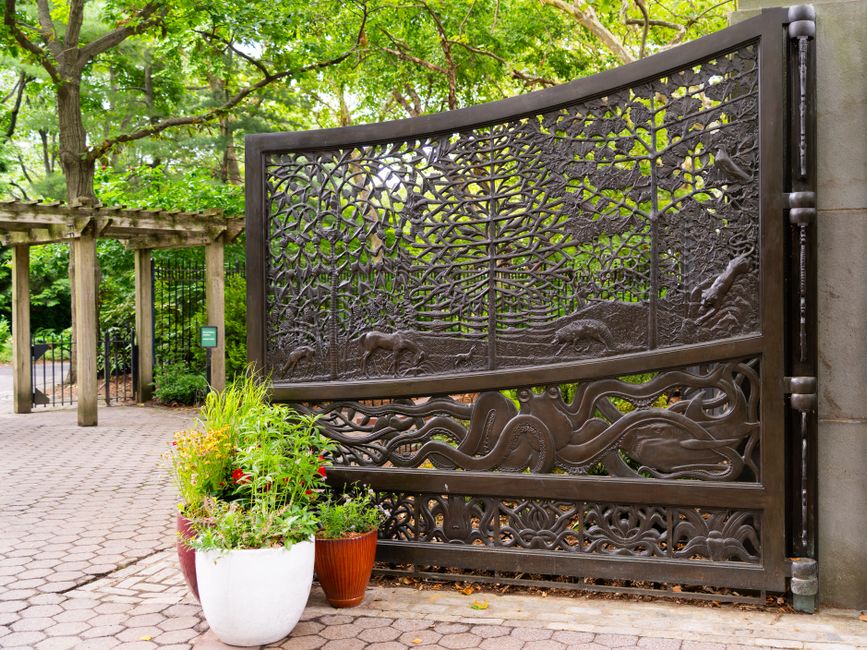
The ring of a rock bar on stone, then a jolt up the handle, tells a crew the hole will not go as deep as planned. For gate installation in Austin, TX, that sound is common on the western side of town, and the field notes kept at gate installation austin three word wednesday treat it as the normal case there rather than a surprise. Limestone sits close to the surface along the Balcones Fault, and every gate post on that ground has to be planned around it.
What the ground looks like west of the fault
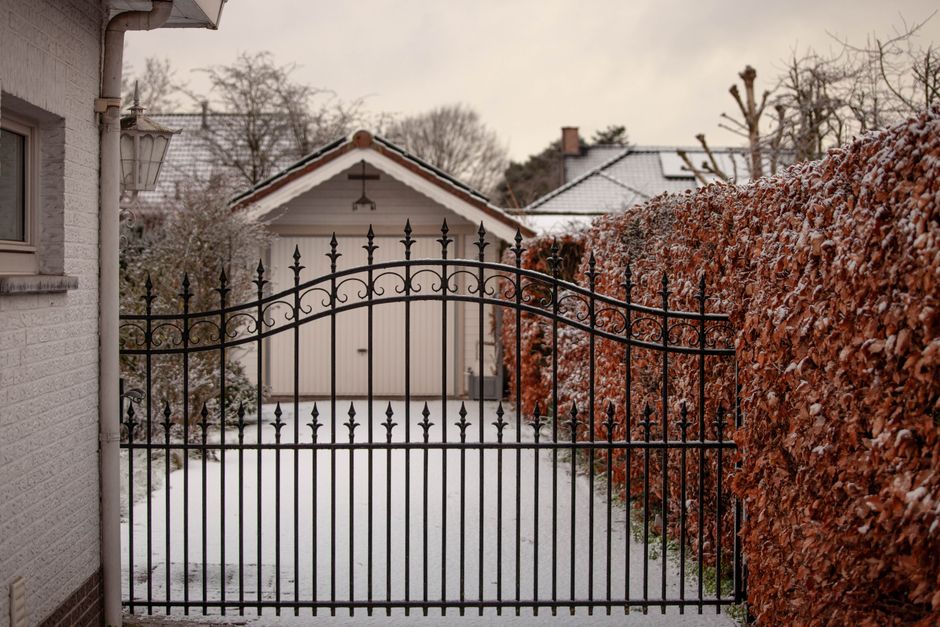
West of the Balcones Fault the Texas Hill Country starts, and the topsoil thins to a few inches in places before the limestone begins. Around Mount Bonnell and the slopes above the Colorado River, a hole that looks easy for the first hand width turns into a layered shelf of rock. Some of it is chalky caliche that breaks under a bar, and some is solid ledge that only a hammer drill will cut.
Tools that actually get through it
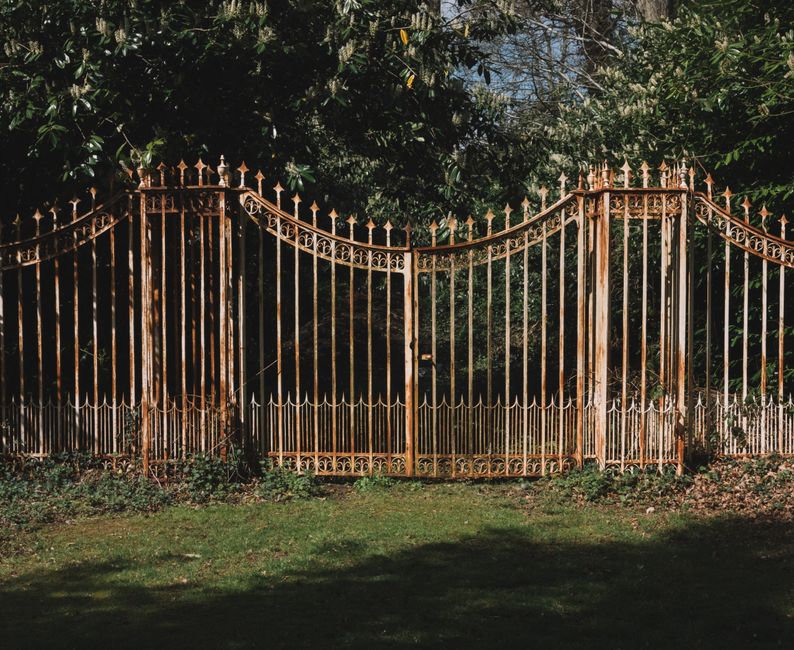
A gas auger spins well in soil and stalls hard on rock, sometimes kicking back hard enough to hurt a wrist. Crews working Travis County limestone carry a rock bar with a chisel end, a rotary hammer with a long bit, and a post hole digger for cleanup. The method is slow on purpose: chip a ring around the edge, lift the loose rock, repeat, and keep the walls straight.
When rock stops the hole short
A footing does not need to reach some magic depth if it is anchored into solid stone. When the bit hits sound ledge, the crew drills a few extra inches into it and sets a short length of rebar in epoxy, so the concrete footing is pinned to the rock instead of sitting on top of it. A post pinned this way ends up stiffer than one floating in soft ground, which matters for a heavy swing gate or a single swing leaf on a wide drive.
Why the weight of the gate decides the footing
A light aluminum picket gate pulls on its post far less than a galvanized steel frame built from heavy tubing with a full run of pickets. A cantilever gate or slide gate loads different points altogether, including the roller posts. The hole diameter and the amount of concrete follow the weight and the swing arc, not a fixed rule.
Checks before the concrete goes in
The hole gets swept clear of dust and loose chips, because dust acts like a parting layer between concrete and stone. A little water dampens the rock so it does not pull moisture out of the mix. The post is set plumb and braced before anything is poured, and the hole is checked again against the string line. Only then does the concrete footing go in, finished with a crown at the top that sheds rain away from the steel.